Electrician in Richmond, BC
Panel and service upgrades, EV chargers, heat pump circuits, knob-and-tube and aluminum wiring, suite and laneway wiring, and repairs across Richmond, BC. One licensed electrical contractor, who looks at the panel before quoting, pulls the permit and coordinates the BC Hydro side.
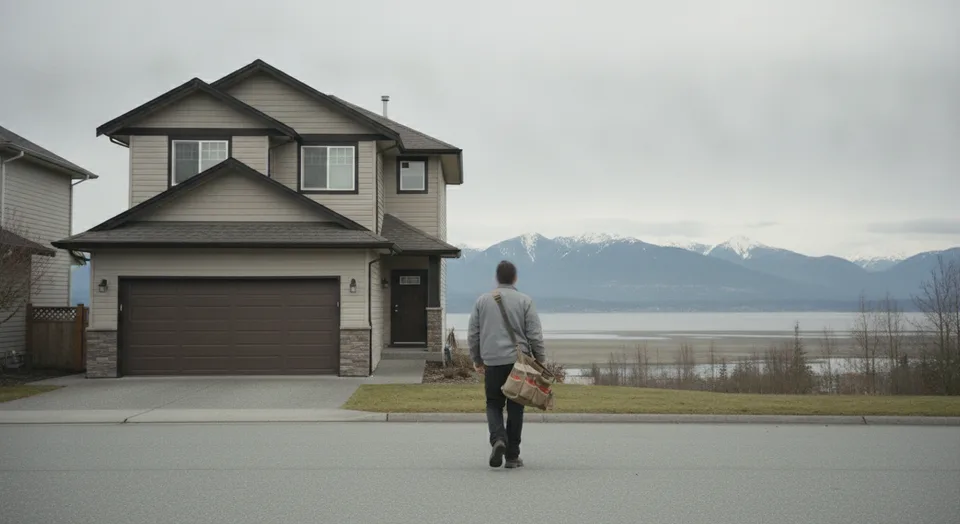
Richmond, BC sits on Lulu Island in the mouth of the Fraser, almost entirely flat, protected by dikes and built on ground with a high water table, which is why so few Richmond houses have basements. Panels, water heaters and wiring run through crawlspaces, garages and closets instead. The housing runs from 1960s and 1970s ranchers and two-storeys in Seafair, Broadmoor and the older parts of Steveston, some with aluminum branch wiring, to large newer houses with 200-amp or bigger services, and the City Centre's towers and townhouses, where EV chargers mean strata approvals. On the east side, farms, nurseries and the Hamilton neighbourhood bring outbuildings and long feeds. Salt and damp are hard on exterior equipment near the water. This line reaches one licensed electrical contractor working across Richmond, BC, who quotes after seeing the panel and handles the permit and BC Hydro.
Electrical Work We Take On in Richmond
Panel and service upgrades, Level 2 EV chargers, heat pump and air conditioning circuits, knob-and-tube and aluminum wiring remediation, secondary suite and laneway home wiring, and electrical repairs. Houses, suites, townhouses and strata units.
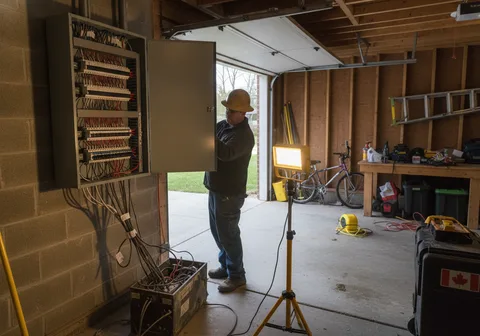
Panel & Service Upgrades
Fuse panels and full 100-amp panels replaced, services upgraded to 200 amps where the load calls for it, with the permit and the BC Hydro side handled.
Learn more →
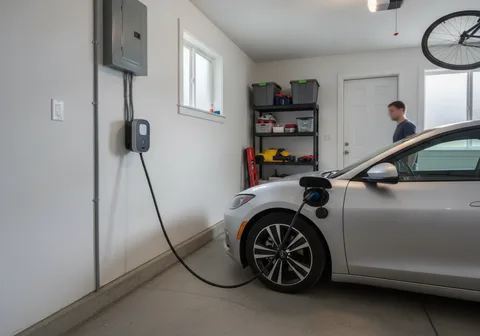
EV Charger Installation
Level 2 home chargers in garages, driveways and strata parkades, sized to your panel with a load calculation and load management where it saves a service upgrade.
Learn more →
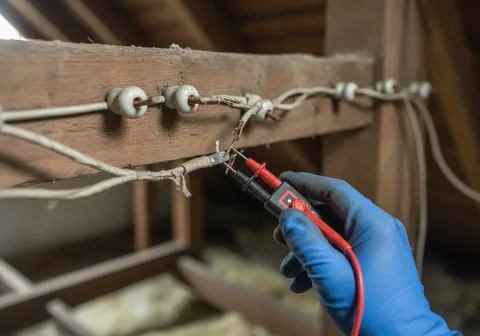
Knob-and-Tube & Aluminum Wiring
Assessment and a written plan for knob-and-tube and aluminum branch wiring, then staged or full rewiring, or rated aluminum connections, under permit.
Learn more →
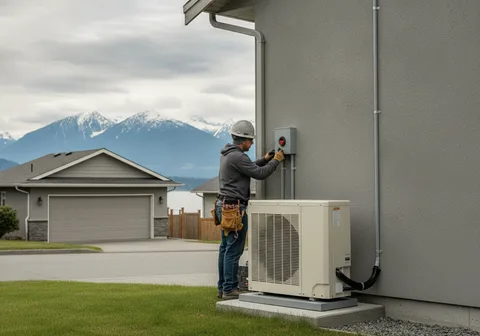
Heat Pump & AC Circuits
Dedicated circuits for heat pumps, mini-splits and air conditioning, with a load calculation first so the panel can carry it, and coordination with the HVAC installer.
Learn more →
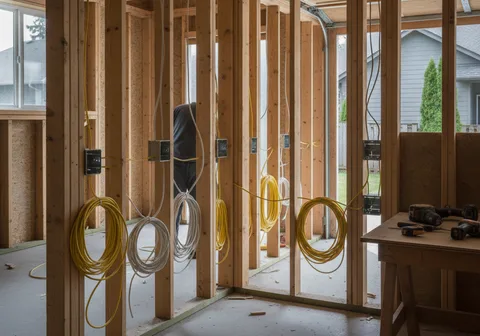
Suites, Laneway Homes & Renos
Wiring for basement suites, laneway and garden homes, kitchens, bathrooms and basements, starting with whether the service can carry a second household.
Learn more →
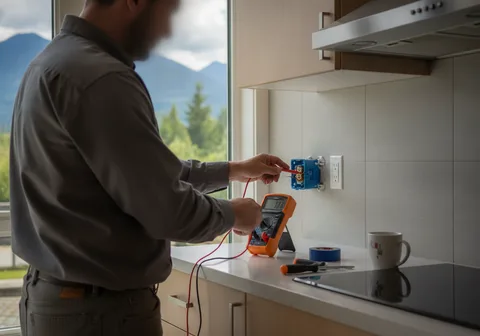
Electrical Repairs & Troubleshooting
Breakers that keep tripping, dead outlets, flickering lights, warm switches and storm or water damage, traced to the cause and repaired properly.
Learn more →
Electrical Work in Richmond: Panels, Permits and Old Wiring
Ranchers, rebuilds and towers. Richmond's older houses are mostly from the 1960s and 1970s, which is the era of aluminum branch wiring and 100-amp services. Many have been renovated, but the panel and the connections behind receptacles often have not. The large houses that replaced many of them have big services and big loads: two EV chargers, heat pumps, radiant heat and lighting. In the City Centre, most work happens inside strata buildings, under the building's rules.
Knob-and-tube, aluminum and the insurance question. Two kinds of older wiring come up again and again in Lower Mainland houses. Knob-and-tube, the original cloth-insulated wiring on porcelain knobs, is found in houses built before about 1950; it has no ground, it was never meant to be buried in insulation, and decades of splices often hang off it. Aluminum branch wiring was used in some houses built from the mid-1960s to the late 1970s; the wire itself is not the problem so much as its connections, which loosen and heat up at receptacles, switches and breakers if they were not made with rated devices. Many insurers ask about both at renewal or when a house is sold. Neither always means a full rewire, but both need a proper assessment and a written plan.
Permits, Technical Safety BC and who can do the work. In BC, electrical contractors are licensed through Technical Safety BC, and most electrical work beyond like-for-like replacement needs a permit and an inspection. Depending on the municipality, the permit comes from Technical Safety BC or from the city's own permit office; the contractor knows which applies at your address and applies for it. A permit protects you when you sell, when you claim on insurance and when a future electrician opens the panel. A quote that says the permit is optional, or a contractor who asks you to take out the permit in your own name, is a reason to look elsewhere.
BC Hydro and service upgrades. Electricity in Richmond, BC comes from BC Hydro. BC Hydro supplies the service to the connection point and owns the meter; the meter base, the mast or conduit and everything inside belong to the house. For a service upgrade, the contractor takes out the electrical permit and requests the disconnect and reconnect, and BC Hydro schedules its own crew. Moving a meter, converting an overhead service to underground, or adding a separate service for a laneway or garden home goes through BC Hydro's own design process and charges, so it is raised at the quote, not discovered on the day.
Heat pumps, EV chargers and the 100-amp panel. Heat pumps, Level 2 EV chargers, induction ranges and suites all add load, and many houses here still run on a 100-amp service. Before anyone sells you a panel upgrade, a load calculation to the Canadian Electrical Code as adopted in BC shows what the service can actually carry. Sometimes the answer is a new 200-amp service; sometimes a load management device lets an EV charger share capacity without one. Heat pump rebates are listed by CleanBC Better Homes; programs change, so confirm there before counting on any amount.
No basements: crawlspaces, garages and damp. With few basements, Richmond wiring runs through crawlspaces, attics and garage walls, and panels are often in the garage. Crawlspace wiring needs to stay clear of moisture and be properly supported, and anything that has been wet in a crawlspace should be checked. Outdoor receptacles, fixtures and disconnects near the dikes and the river corrode faster in salt and damp, so wet-location rated equipment with in-use covers is worth the small extra cost.
Serving Richmond & Surrounding Areas
Electrical contractor licensing and electrical permits are administered by Technical Safety BC, except where a municipality issues its own permits. Electricity in Richmond is supplied by BC Hydro. Heat pump and home energy rebates are listed by CleanBC Better Homes. WorkSafeBC requires a hazardous materials survey before renovation work on buildings built before 1990. Permit questions for your address go to City of Richmond.
Frequently Asked Questions
Do I need a permit for electrical work in Richmond?
For most work beyond replacing a fixture, receptacle or switch like for like, yes: new circuits, panel and service upgrades, EV chargers, hot tubs, suites and renovations. The contractor applies for it and arranges the inspection.
How do I know if I need a panel upgrade?
A load calculation tells you, not the age of the panel alone. Common signs are a 60- or 100-amp service with no spare spaces, breakers that trip under normal use, a fuse panel, or plans for a heat pump, EV charger or suite.
Does knob-and-tube have to be removed?
Not always all at once, but it should be assessed, and insurers often require a plan. Live knob-and-tube that has been buried in insulation or spliced into newer circuits is usually the first part to go.
Can I put an EV charger on my existing panel?
Often, yes, with a load calculation and sometimes a load management device. If the panel is full or the service is small, the contractor shows you the options and their costs side by side.
How much does an electrician cost in Richmond?
It depends on the job. Planning ranges are on the cost page. Every job is quoted in writing after the electrician has seen the panel and the work.
Do you work in condos and townhouses?
Yes. Work inside your unit is usually yours to arrange; anything on common property, including most parkade EV chargers, needs strata approval first, and the contractor can provide what the strata asks for.
Is this an electrical company?
This is a booking line for one licensed electrical contractor working across Richmond, BC. Your request goes to that contractor, not to a list or a call centre.
Ready to Get Started?
Call 236-305-7920 or send the form for a written quote for electrical work in Richmond.